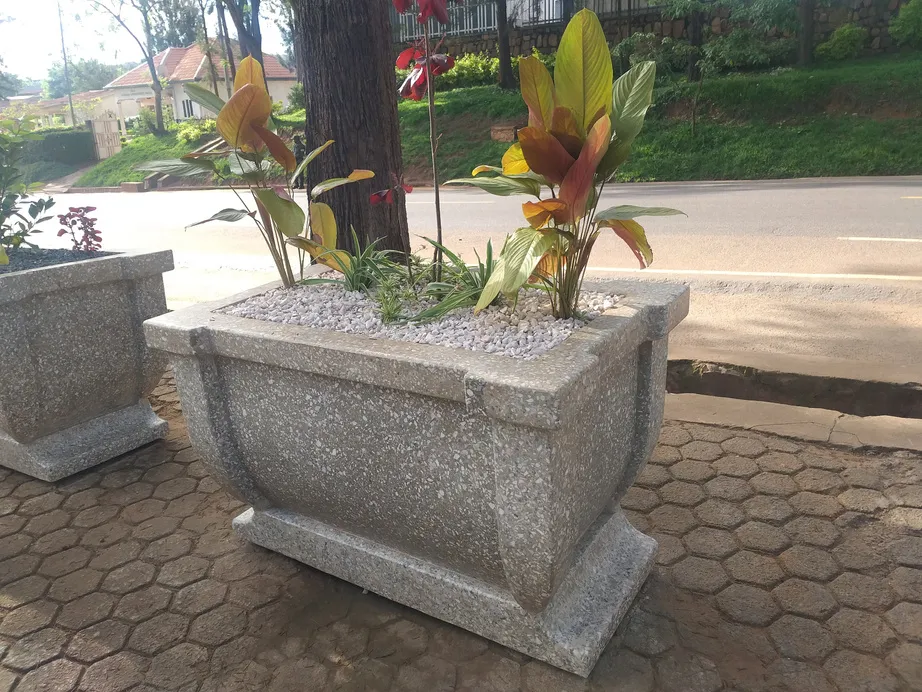
Choosing concrete flower pots in Africa is about more than appearance. A planter is a long-term feature, and the size, drainage, position and finish you select will decide how well your plants grow and how well the pot suits the space. This guide covers the main points so that you can decide with confidence.
Why choose concrete flower pots in Africa?
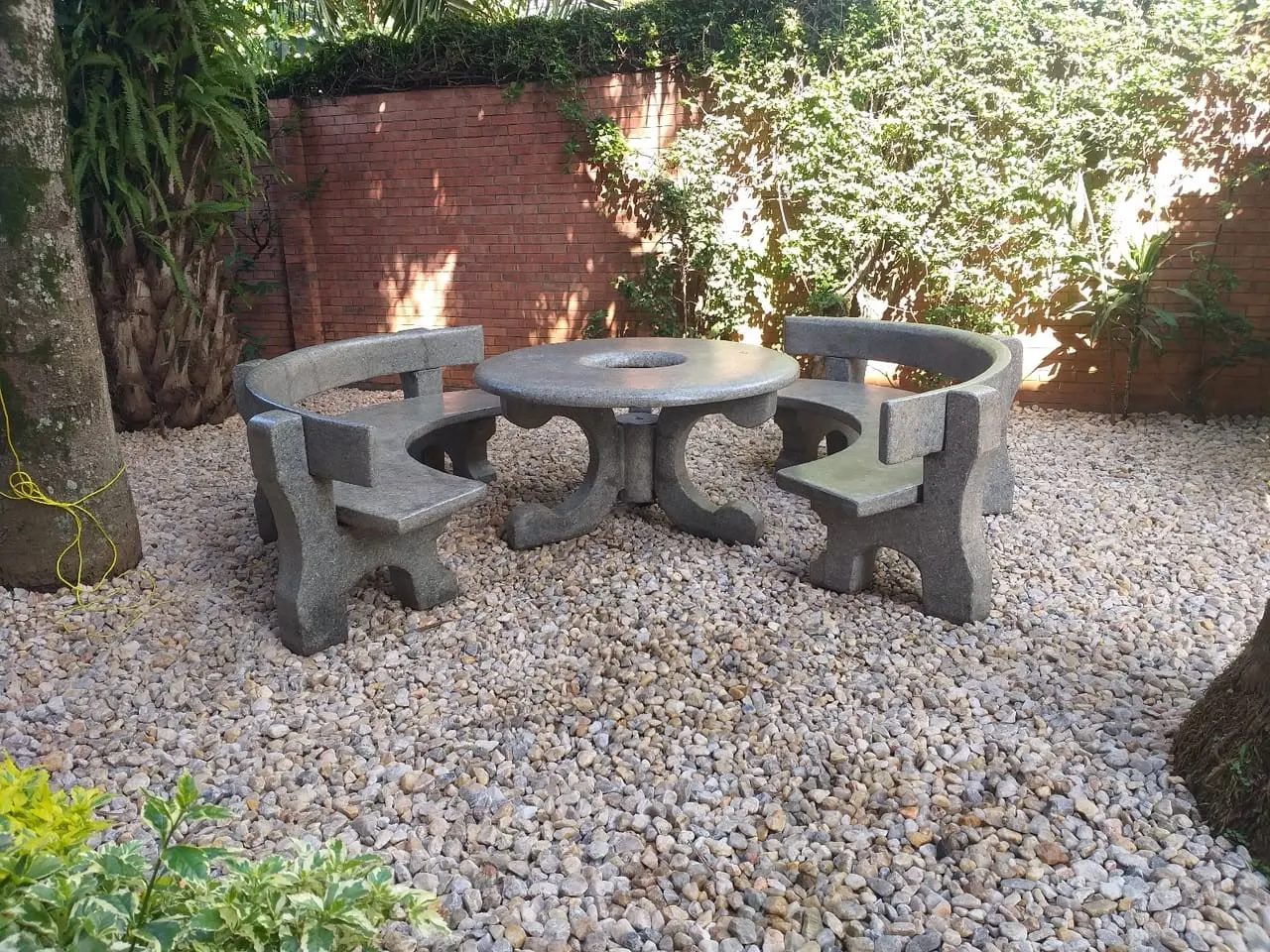
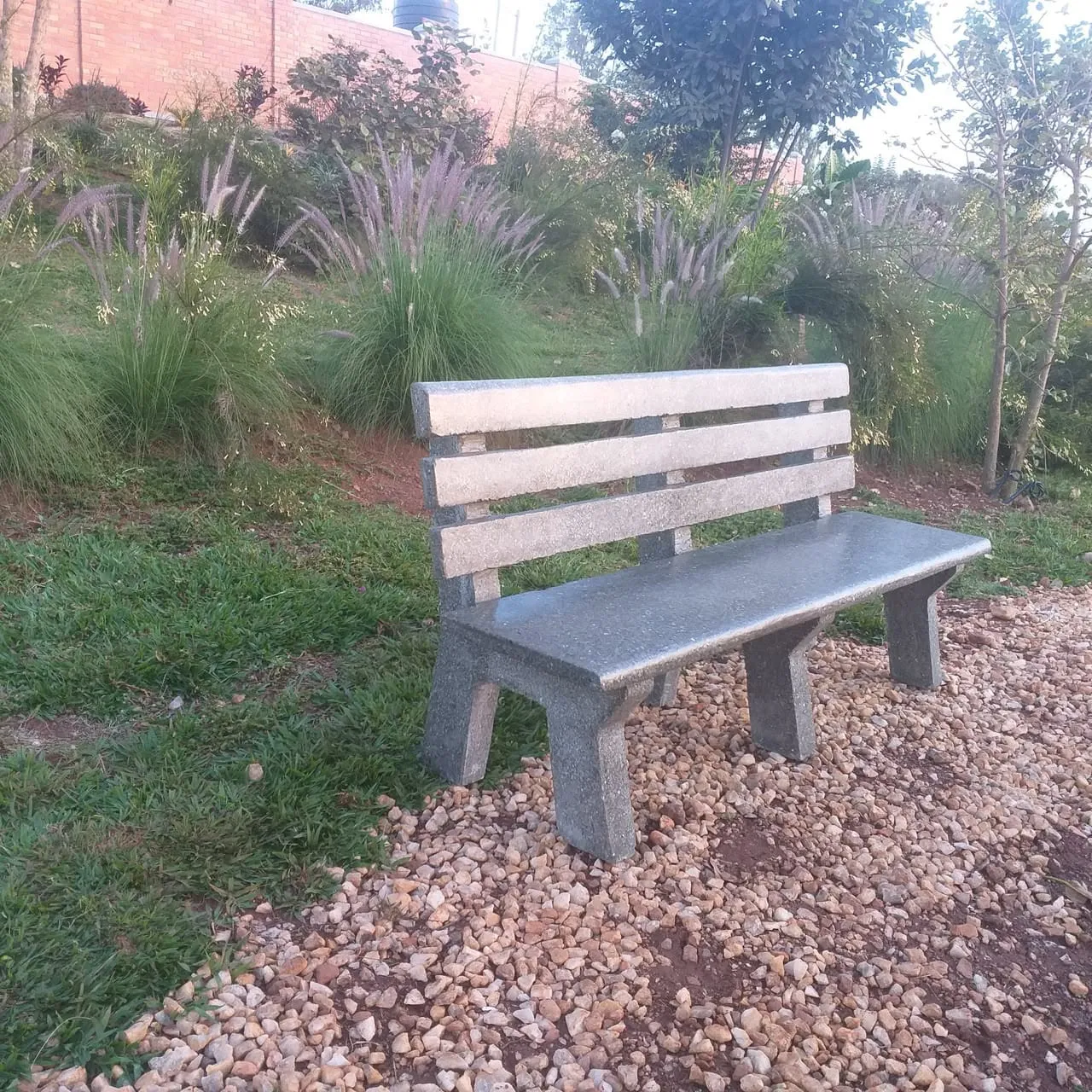
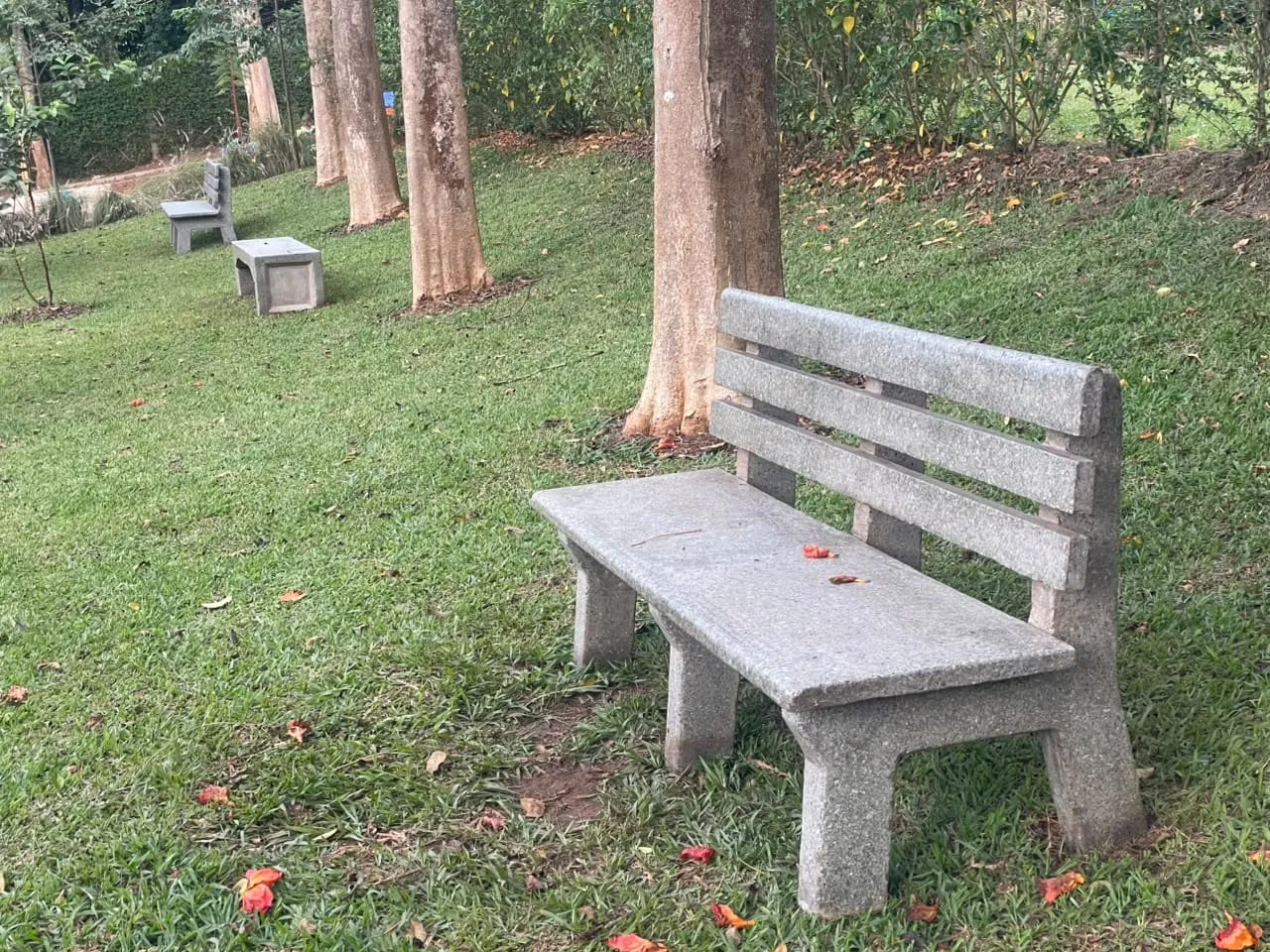
Concrete is a solid, stable material that stays in place outdoors. Large pots filled with soil are less likely to tip over in the wind, and the material suits terraces, entrances, courtyards and gardens. RCGF is based in Kigali and makes planters, flower pots and fountains as part of its wider outdoor concrete furniture range.
Choose the right size
Match the planter to both the plant and the space. A small pot beside a large door looks lost, while a very large planter can crowd a narrow passage. Consider the full-grown size of the plant, not the size when you buy it, because roots need room. For an entrance or a hotel terrace, a pair of matching planters gives a formal look. In a garden, a group of different heights looks more natural. If you need a particular shape or dimension, ask about custom concrete work.
Think about how the planter will be seen. Walk around the position and look at it from the door, the path and the seating area. A planter at a corner is seen from two sides, while one against a wall is seen from the front only. Group planters in odd numbers for a natural look, or in matching pairs for a formal entrance, and leave space between them for watering and for cleaning.
Plan for drainage
- Drainage holes: water must be able to leave the planter, or roots may suffer in heavy rain.
- A free-draining base: place the planter on a surface where water can run away and not collect underneath.
- Suitable soil: use a good potting mix, and add a layer of coarse material at the bottom if you want to improve drainage.
Discuss drainage with us when you request a quotation, particularly if the planter will stand on a terrace, balcony or paved area where water movement matters.
Large concrete planters for gardens in Africa: position them first
A large concrete planter is heavy even when empty, and it becomes much heavier once filled with soil and watered. For that reason, decide the final position before filling it. Check that the ground is firm and level, that the route to the position is clear and that the planter will not block a path or a drain. Do not plan to move a filled planter. Delivery and installation terms are confirmed per project, and RCGF delivers across Africa from Kigali. See our delivery and installation page for details.
Watering habits matter just as much as the pot. Large pots hold more soil and therefore hold water for longer, but they still need regular attention in dry weather. Check the soil with a finger before watering, and avoid leaving standing water in a saucer or on the base. Mulch on the soil surface can reduce evaporation and keep the planter tidy.
Plant choice basics and finishes
Choose plants that suit the amount of sun and water the position receives. Plants with deep roots need deeper planters, and plants that spread suit wider ones. A tropical or leafy plant can make a large planter look lush, while a simple evergreen can work well at an entrance. For finishes, a smooth surface gives a clean, modern look, and an aged or weathered finish, available on request, blends into a garden quickly. Planters also pair well with seating: read about concrete garden benches and garden tables to plan a complete corner.
Care and a simple quote request
Concrete planters need little care. Wipe away dirt, water at the right times and clean the base now and then. For general routines, see how to maintain concrete outdoor furniture. When you are ready, send us the number of planters, the sizes you have in mind, your location and photographs of the position. Contact us by form, phone or WhatsApp to receive a quotation.